

Is It Better to Hire or Buy a Refrigerated Vehicle?
Investing in refrigerated vehicles represents a significant decision for many businesses. Unlike standard commercial vehicles, refrigerated vans and trucks include specialist insulated bodies and refrigeration systems that can increase purchase costs and ongoing maintenance requirements.
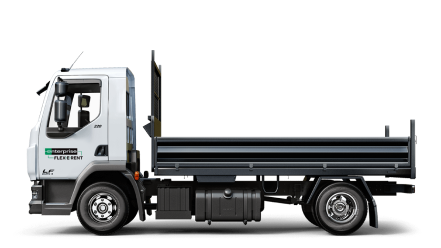
For some organisations, purchasing vehicles may support a long-term fleet strategy. For others, hiring refrigerated vehicles offers greater flexibility, predictable operating costs and the ability to adapt fleet capacity as operational requirements change.
Understanding the advantages and considerations of each approach helps businesses make informed fleet decisions based on operational needs rather than ownership alone.

Refrigerated Vehicle Hire vs Buying at a Glance
|
Consideration |
Hiring |
Buying |
|
Upfront investment |
Lower initial capital requirement |
Significant capital investment required |
|
Fleet flexibility |
Easier to increase or reduce fleet size |
Fleet size fixed until vehicles are bought or sold |
|
Maintenance responsibilities |
Typically included within the hire agreement |
Managed by the vehicle owner |
|
Vehicle replacement |
Newer vehicles can be introduced as requirements change |
Vehicle replacement requires further investment |
|
Depreciation |
No ownership depreciation risk |
Business retains depreciation risk |
|
Cash flow |
Supports predictable operating costs |
Capital tied up in vehicle assets |
Neither option is universally better. The most appropriate choice depends on how the vehicles will be used and the organisation's wider financial and operational strategy.
When Hiring May Be the Better Option
Hiring refrigerated vehicles can provide greater flexibility for businesses whose operational requirements change throughout the year or who want to avoid committing capital to specialist fleet assets.
For example, organisations experiencing seasonal demand, expanding into new service areas or replacing vehicles during maintenance periods may benefit from the ability to adjust fleet capacity without purchasing additional vehicles.
Hiring can also simplify fleet management by including servicing, maintenance and support within the agreement, helping reduce administrative responsibilities while maintaining access to modern refrigerated vehicles.
When Buying May Be the Right Choice
For some organisations with stable, predictable transport requirements, purchasing refrigerated vehicles may form part of a long-term fleet investment strategy.
Ownership provides complete control over vehicle utilisation and can be appropriate where vehicles are expected to remain in service for many years under consistent operating conditions.
However, ownership also brings responsibility for servicing, maintenance planning, vehicle replacement, depreciation and the ongoing management of specialist refrigeration equipment.
Beyond the Purchase Price: Understanding Whole-Life Costs
The cost of a refrigerated vehicle extends beyond its initial purchase price. Businesses should consider the full cost of operating the vehicle throughout its service life.
These costs may include:
- Vehicle servicing and routine maintenance
- Refrigeration system servicing and repairs
- Tyres and general wear items
- Breakdown and recovery arrangements
- Compliance inspections
- Insurance
- Vehicle depreciation
- Replacement planning
Considering whole-life costs provides a more complete picture of the financial implications of fleet ownership.
Operational Flexibility Matters
Business requirements rarely remain static.
New contracts, seasonal demand, changing delivery volumes and evolving customer requirements can all influence the number and type of refrigerated vehicles needed.
Hiring allows organisations to respond to these changes by adjusting fleet capacity as operational requirements evolve, rather than being committed to a fixed number of owned vehicles.
This flexibility can be particularly valuable for businesses operating within fast-moving cold chain supply networks.
Questions to Consider Before Making a Decision
Before deciding whether to hire or buy refrigerated vehicles, businesses should consider several practical questions.
|
Question |
Why it matters |
|
How predictable are our delivery volumes? |
Helps determine whether long-term ownership or flexible hire is more appropriate. |
|
Will fleet requirements change throughout the year? |
Seasonal demand may influence vehicle utilisation. |
|
How important is preserving capital? |
Purchasing requires significant upfront investment. |
|
Who will manage servicing and maintenance? |
Ownership carries ongoing maintenance responsibilities. |
|
How frequently do vehicles need replacing? |
Technology, refrigeration systems and operational needs may change over time. |
Considering these questions alongside operational objectives can help identify the most suitable fleet strategy.
How Refrigerated Vehicle Hire Supports Business Agility
Many organisations choose refrigerated vehicle hire because it combines operational flexibility with predictable budgeting.
Hiring allows businesses to:
- Preserve capital for investment elsewhere in the organisation.
- Increase or reduce fleet capacity as demand changes.
- Access modern refrigerated vehicles without ownership risk.
- Benefit from servicing, maintenance and fleet support throughout the agreement.
- Respond more quickly to changing operational requirements.
For organisations operating within dynamic supply chains, this approach can support both financial planning and operational resilience.
Summary
- Hiring and buying each offer different advantages depending on business requirements.
- Purchasing requires significant capital investment and ongoing ownership responsibilities.
- Hiring provides greater flexibility and predictable operating costs.
- Whole-life vehicle costs should be considered alongside purchase price.
- The most appropriate solution depends on fleet strategy, utilisation and operational requirements.
Popular content


Flexible Rental Guide
Fleet decisions aren’t just about vehicles, they’re about risk, cost, and how ready you are for change.
That’s why this guide helps you break down the pros and cons of every option, so you can make confident, future-ready choices for your business.