

Can Refrigerated Vehicles Be Customised?
No two cold chain operations are exactly the same. A vehicle delivering pharmaceuticals to hospitals has very different requirements from one transporting frozen food to supermarkets or catering supplies to event venues.
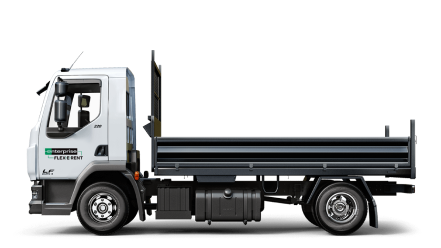
For this reason, refrigerated vehicles are often specified with different body layouts, refrigeration systems and operational features to suit the products being transported and the way the vehicle will be used. This guide explains the most common refrigerated vehicle customisation options and how businesses can choose the right specification for their operation.

Common Refrigerated Vehicle Customisation Options
Many refrigerated vehicles can be specified with features designed to improve operational efficiency while supporting temperature-controlled transport.
|
Customisation |
Purpose |
|
Dual-temperature compartments |
Transport chilled and frozen products within the same vehicle. |
|
Tail lifts |
Assist loading and unloading where forklift facilities are unavailable. |
|
Side or rear access |
Match loading methods to operational requirements. |
|
Branded livery |
Display company branding across the vehicle fleet. |
|
Internal partitioning |
Separate different product categories or temperature zones. |
|
Standby refrigeration |
Maintain refrigeration while the vehicle is stationary using an external power supply. |
|
Temperature monitoring systems |
Record and monitor temperatures throughout transportation. |
The available options depend on the vehicle type and operational requirements.
Choosing the Right Refrigeration Configuration
The refrigeration system is one of the most important decisions when specifying a temperature-controlled vehicle.
Businesses transporting only chilled products may require a single-temperature chilled vehicle, while frozen food distribution often requires lower operating temperatures. Organisations delivering both chilled and frozen goods can benefit from dual-temperature configurations, which allow separate compartments to maintain different temperatures within the same journey.
Selecting the correct configuration can improve fleet utilisation by reducing the need for multiple vehicles while helping maintain product integrity.
Body & Access Options
Vehicle body design can have a significant impact on operational efficiency. Businesses making frequent deliveries may prioritise easy access to reduce loading times, while organisations transporting palletised goods often require body configurations that support mechanical loading equipment.
Common options include:
|
Operational need |
Suitable feature |
|
Multi-drop deliveries |
Side access doors |
|
Palletised distribution |
Tail lift |
|
Loading bay operations |
Rear access |
|
Mixed product deliveries |
Internal partitioning |
Matching access arrangements to the delivery profile can help improve productivity while reducing unnecessary handling.
Temperature Monitoring & Operational Visibility
Many refrigerated vehicles can be equipped with systems that monitor and record internal temperatures throughout transportation.
These systems provide operational visibility by allowing businesses to demonstrate that temperature-controlled goods have been transported within the required range. Depending on the vehicle specification, monitoring equipment may also support reporting and quality assurance processes.
The level of monitoring required will depend on the products being transported and any contractual or regulatory obligations that apply to the business.
Branding & Fleet Identity
For many organisations, refrigerated vehicles also function as mobile advertisements.
Branded livery allows businesses to display company logos, colours and contact details consistently across the fleet while maintaining a professional appearance.
Some organisations prefer plain white vehicles, particularly where branding requirements may change over time, while others choose fully branded fleets to reinforce brand visibility during daily operations.
Choosing the Right Specification
The most suitable refrigerated vehicle is rarely defined by a single feature. Instead, businesses should consider the complete operational requirement before selecting a vehicle specification.
Key considerations include:
|
Consideration |
Why it matters |
|
Product type |
Determines refrigeration requirements. |
|
Delivery profile |
Influences vehicle size and access arrangements. |
|
Loading method |
May require tail lifts or specific body configurations. |
|
Temperature requirements |
Determines whether chilled, frozen or dual-temperature equipment is needed. |
|
Operational environment |
May influence vehicle dimensions and body design. |
Taking a structured approach to vehicle specification helps ensure the finished vehicle supports operational efficiency while protecting temperature-sensitive goods.
How Refrigerated Vehicle Hire Supports Bespoke Fleet Requirements
Hiring refrigerated vehicles gives businesses access to specialist vehicle configurations without the long-term commitment of ownership.
As operational requirements evolve, organisations can specify vehicles that align with current workloads, delivery profiles and product requirements rather than being limited to a fixed fleet specification.
This flexibility can be particularly valuable when entering new markets, responding to seasonal demand or supporting changing customer requirements.
Summary
- Refrigerated vehicles can be customised to suit different industries and operational requirements.
- Common options include dual-temperature compartments, tail lifts, temperature monitoring systems and branded livery.
- Vehicle specification should be based on product type, delivery profile and loading requirements.
- Selecting the right configuration can improve efficiency while supporting cold chain integrity.
- Hiring provides access to specialist refrigerated vehicle configurations without long- term ownership commitments.
Popular content


Flexible Rental Guide
Fleet decisions aren’t just about vehicles, they’re about risk, cost, and how ready you are for change.
That’s why this guide helps you break down the pros and cons of every option, so you can make confident, future-ready choices for your business.